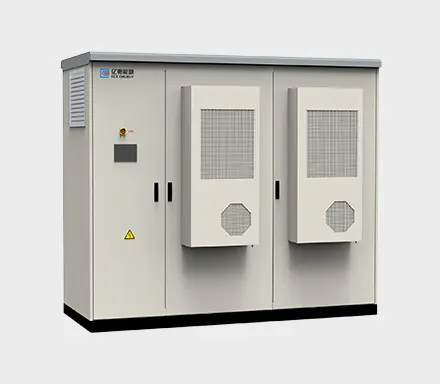
commercial solar battery storage systems https://www.ecelibattery.com/products/industrial-and-commercial-solar-energy-storage-system/
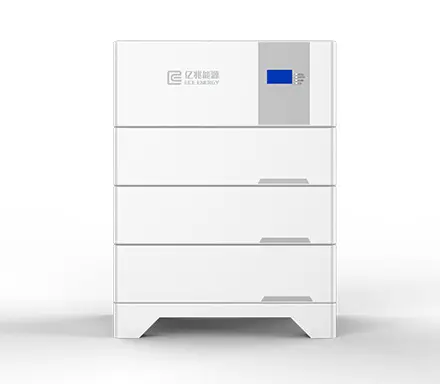
residential solar battery storage https://www.ecelibattery.com/products/residential-solar-energy-storage-system/
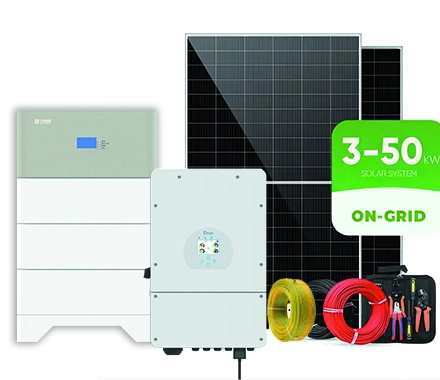
solar energy storage solution https://www.ecelibattery.com/solar-energy-solution/
Solar panels are great at producing energy—but only when the sun is shining. True energy independence comes from storing that power and using it on your schedule, not the sun’s.
Over the past decade, solar storage has evolved rapidly:
From bulky lead-acid battery banks hidden in garages
To sleek, intelligent lithium battery systems that integrate seamlessly with inverters, apps, and smart homes
Yet for many buyers, the market feels overwhelming. AC or DC? Wall-mounted or rack-mounted? Low voltage or high voltage?
This guide breaks solar storage down by application, connection architecture, battery chemistry, and form factor—helping you confidently choose the right solar energy storage solution, including ECE Energy’s wall-mounted, rack-mounted, and high-voltage systems.
Primary goals:
Maximize self-consumption
Reduce electricity bills
Provide backup power during outages
Modern residential solar battery storage prioritizes:
Compact design
Clean aesthetics
Simple installation
The most common choice is the wall-mounted “Powerwall-style” battery, typically ranging from 10kWh to 15kWh. These systems operate at safe low voltages (48V / 51.2V) and fit neatly in garages or utility rooms.
Best for: Homeowners who want silent backup power, time-of-use optimization, and a system that “just works.”
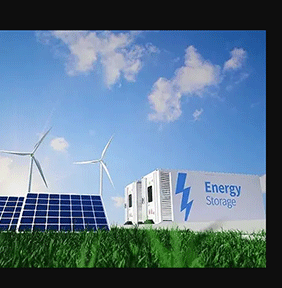
Primary goals:
Peak shaving and demand charge reduction
Load shifting
Powering energy-intensive equipment
Commercial solar battery storage systems emphasize:
Scalability
High power output
System redundancy
Rack-mounted lithium battery modules—similar to server racks—allow businesses to scale from tens of kWh to megawatt-hours. For larger projects, containerized or high-voltage (HV) systems become the preferred architecture.
Best for: Factories, warehouses, office buildings, telecom sites, and energy-intensive operations.
How it works: Solar panels → Charge controller → Battery → Inverter → Loads
Energy stays in DC form until it’s actually used.
Advantages:
Higher overall efficiency (fewer conversion losses)
Better control of charging logic
Cleaner system architecture
Best for:
New solar installations
Homes or businesses planning storage from day one
How it works: Solar panels → Grid inverter (DC→AC) → Battery inverter (AC→DC) → Battery
Yes, it involves more conversions—but it’s flexible.
Advantages:
Easy to add to existing solar systems
No need to replace the original inverter
Best for:
Homeowners who already have solar panels
Upgrading an older system with modern storage
Understanding battery chemistry is key to long-term safety and value.
Heavy and bulky
Toxic materials
Only ~300–500 cycles
Verdict: Obsolete for modern residential and commercial solar storage.
High energy density
Common in EVs
Higher risk of thermal runaway
Verdict: Powerful, but less forgiving for stationary solar storage.
This is the chemistry behind ECE Energy’s solar energy storage solutions.
Why LFP dominates solar storage:
Exceptional thermal stability
No oxygen release → minimal fire risk
6,000+ cycles at high Depth of Discharge
Long calendar life
Verdict: The safest, most durable choice for both residential and commercial solar applications.
The aesthetic favorite
Zero floor footprint
Clean, modern appearance
Typically low voltage (48V / 51.2V)
Ideal for: Homes with limited space and moderate energy needs.
The modular workhorse
Standardized 19-inch racks
Add capacity by sliding in another module
Popular in telecom, data rooms, and advanced home setups
Ideal for: Users who want flexibility and future expansion.
The performance beast
Operates at 200V–400V+
Lower current → less heat → higher efficiency
Supports whole-home backup and commercial loads
Ideal for: Large homes, villas, and commercial installations where efficiency and power density matter most.
Before choosing any solar battery, check these boxes:
Depth of Discharge (DoD): Look for 80–90% usable capacity (vs. ~50% for lead-acid).
BMS Protocol Compatibility (Critical): Does the battery communicate properly with your inverter (Victron, Deye, Growatt, etc.)? ECE Energy’s custom BMS design ensures seamless protocol matching.
Temperature Tolerance: Outdoor or garage installation in cold climates? Consider batteries with automatic self-heating features.
Choosing the right solar energy storage system isn’t about buying the biggest battery—it’s about choosing the right architecture.
Whether you need:
A sleek residential solar battery storage unit for blackout protection
Or a scalable commercial solar battery storage system for load shifting
Two things matter most:
Chemistry: LiFePO4 for safety and longevity
Intelligence: A BMS that actually works with your inverter and environment
View Solar Storage Systems to explore ECE Energy’s wall-mounted, rack-mounted, and high-voltage solar energy solutions—engineered to fit real-world installations, not just spec sheets.
What is the difference between AC-coupled and DC-coupled storage? DC-coupled systems are more efficient and ideal for new builds, while AC-coupled systems are easier to retrofit onto existing solar installations.
Is LiFePO4 better than lead-acid for solar storage? Yes. LiFePO4 batteries last significantly longer, offer higher usable capacity, and are far safer than traditional lead-acid batteries.
Install photovoltaic energy storage systems for your own home or company to save money and stabilize electricity consumption
Find a stable and reliable factory to assist you in expanding the market locally
Professional technical team and reliable energy storage products to provide a guarantee for your engineering project
 English