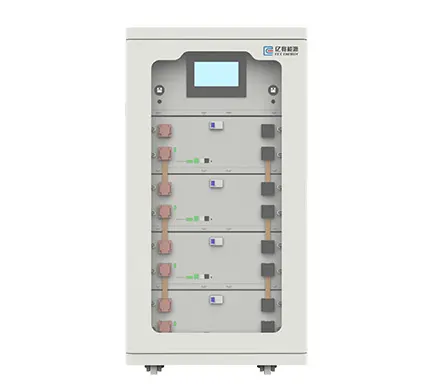
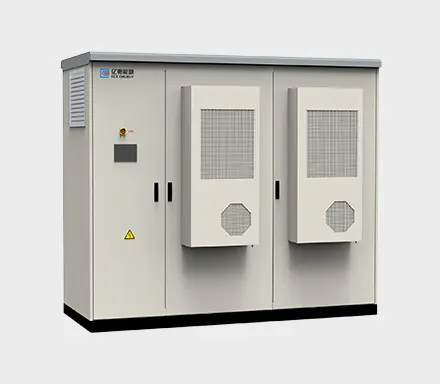
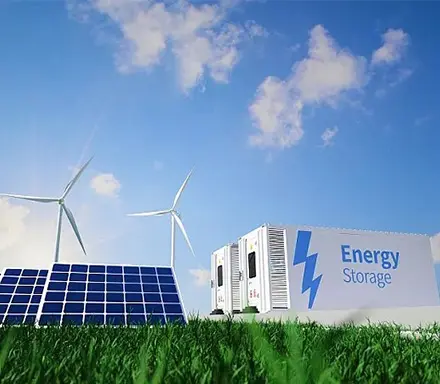
By 2026, the energy storage conversation has fundamentally changed.
Simply replacing lead-acid batteries with lithium is no longer enough. Modern systems—hybrid solar inverters, 5G telecom towers, portable power stations, and industrial equipment—now expect batteries to communicate, adapt, and protect themselves intelligently. This is where advanced custom lithium batteries become essential, offering tailored solutions that meet the exact technical, performance, and integration demands of each application.
Yet many projects still fail because of one overlooked assumption:
“A standard lithium battery should work everywhere.”
Off-the-shelf lithium batteries often fail where it matters most:
Communication errors between battery and inverter
Charging shutdowns in cold climates
Unexpected BMS trips under real-world load spikes
Theft and asset loss at remote telecom sites
True customization goes far beyond changing voltage or enclosure size. It requires engineering control over:
Battery Management System (BMS) logic
Thermal management strategies
CAN Bus / RS485 communication protocols
Mechanical and environmental protection
This is where ECE Energy differentiates itself—as a specialist in intelligent lithium battery systems designed to integrate seamlessly, operate safely, and last predictably in demanding environments, including renewable applications such as solar energy battery storage.
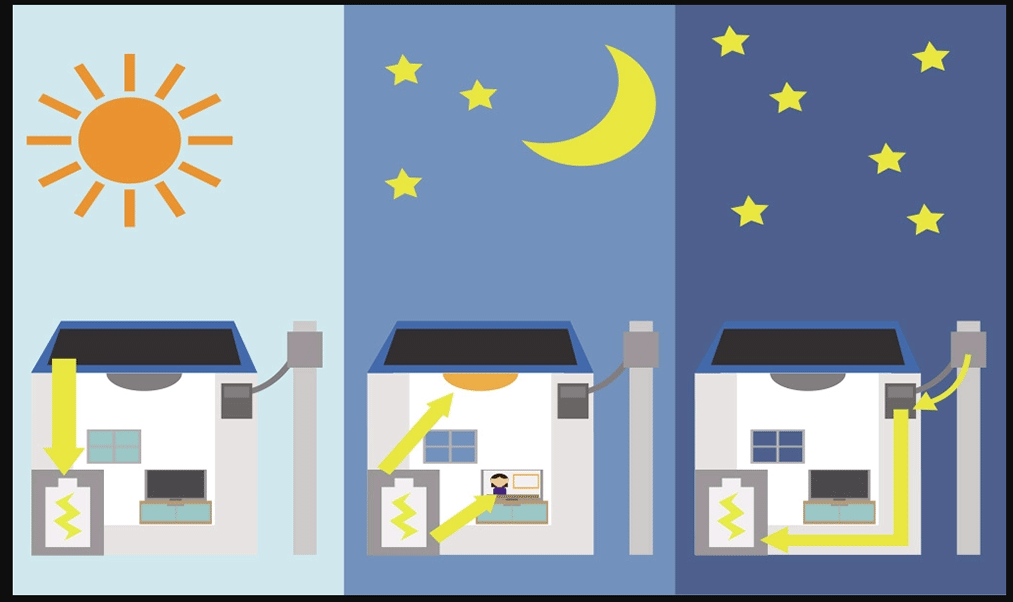
One of the most common solar storage failures isn’t capacity—it’s communication.
Generic lithium batteries often trigger:
Inverter fault alarms
Random shutdowns
Limited usable capacity
Why? Because many hybrid inverters (Victron, Deye, Growatt, SMA, etc.) require specific CAN Bus or RS485 protocols to form a closed-loop system.
A custom lithium battery manufacturer programs the BMS communication protocol to match the inverter’s exact language—allowing seamless integration in devices like the portable battery power station:
Accurate SOC reporting
Coordinated charge/discharge limits
Extended cycle life
At ECE Energy, inverter compatibility is validated before mass production, not after field failure.
Most lithium batteries cannot charge below 0°C (32°F). In cold regions, this leads to:
Solar generation wasted during winter mornings
Manual user intervention
Premature battery aging
ECE Energy integrates automatic self-heating films, activated intelligently by the BMS. When cell temperature drops:
Heating engages automatically
Safe charging resumes without user input
Cell chemistry remains protected
This is especially critical for home electric battery storage in cold-weather markets.
Don’t just ask for “cycle life.” Ask for cycle life at a specific Depth of Discharge (DoD).
Reliable LFP systems from ECE Energy deliver:
6,000+ cycles at 80% DoD
Stable capacity retention over long service life
5G base stations consume 2–3× more power than 4G while often being installed on:
Rooftops
Poles
Remote, unmanned sites
Traditional lead-acid banks are simply:
Too heavy
Too large
Too maintenance-intensive
High-density 48V lithium iron phosphate (LiFePO4) battery systems offer:
Superior energy density
Long cycle life
Stable thermal behavior
Lower total cost of ownership
Custom pack design ensures optimal rack compatibility, airflow, and redundancy for telecom infrastructure.
Battery theft is a silent operational killer in telecom networks, making advanced security essential for modern telecommunication batteries.
ECE Energy integrates multi-layer anti-theft technology, including:
Gyroscope-based movement detection
GPS location tracking
Software-level locking, rendering the battery inoperable if removed
This transforms the battery from a vulnerable asset into a secured, traceable system component, dramatically reducing loss and downtime.
Portable power isn’t just about capacity—it’s about how the battery survives real life.
Custom manufacturers help brands choose between:
Cylindrical cells – mechanically robust, cost-efficient
Pouch cells – lightweight, flexible form factors
The right choice depends on:
Drop-test requirements
Weight targets
Thermal constraints
Portable power stations face unpredictable load behavior:
Power tools
Compressors
Camping fridges
Generic BMS systems often trip unnecessarily due to brief startup surges.
ECE Energy engineers customize:
Over-current protection thresholds
Millisecond-level delay timing
Surge tolerance logic
Result: stable power delivery without sacrificing safety.
Keyword: custom lithium battery manufacturers
Every project begins with a technical review of:
Voltage and capacity requirements
Continuous and peak discharge current
Installation environment and climate
This prevents costly redesigns later.
Not all lithium cells are equal.
ECE Energy uses only new EV-grade (Grade A) cells from reputable suppliers such as:
EVE
CATL
Other Tier-1 manufacturers
Unlike recycled or Grade-B cells found in low-cost packs, EV-grade cells ensure:
Consistent capacity
Predictable lifespan
Enhanced safety margins
Custom doesn’t mean uncertified.
ECE Energy systems comply with:
UN38.3 – Transportation safety
UL1973 – Stationary energy storage safety
IEC 62133 – Cell and battery reliability
This accelerates B2B customer certification timelines and simplifies global deployment.
Whether powering a silent home solar backup system or keeping a mission-critical telecom node online, the battery is the heart of your energy system.
Standard catalog batteries optimize for price. Custom lithium battery manufacturing optimizes for performance, safety, and long-term reliability.
If your system has specific:
Voltage requirements
Environmental challenges
Communication protocols
Then your battery should be engineered—not guessed.
Custom lithium battery design is influenced by four critical factors:
Voltage & Capacity Requirements – Determines cell configuration and scalability
BMS Communication Protocol – CAN Bus or RS485 compatibility with host systems
Thermal Management – Cold-weather charging, heat dissipation, and safety
Dimensional Constraints – Rack size, enclosure shape, and installation limits
Install photovoltaic energy storage systems for your own home or company to save money and stabilize electricity consumption
Find a stable and reliable factory to assist you in expanding the market locally
Professional technical team and reliable energy storage products to provide a guarantee for your engineering project
 English